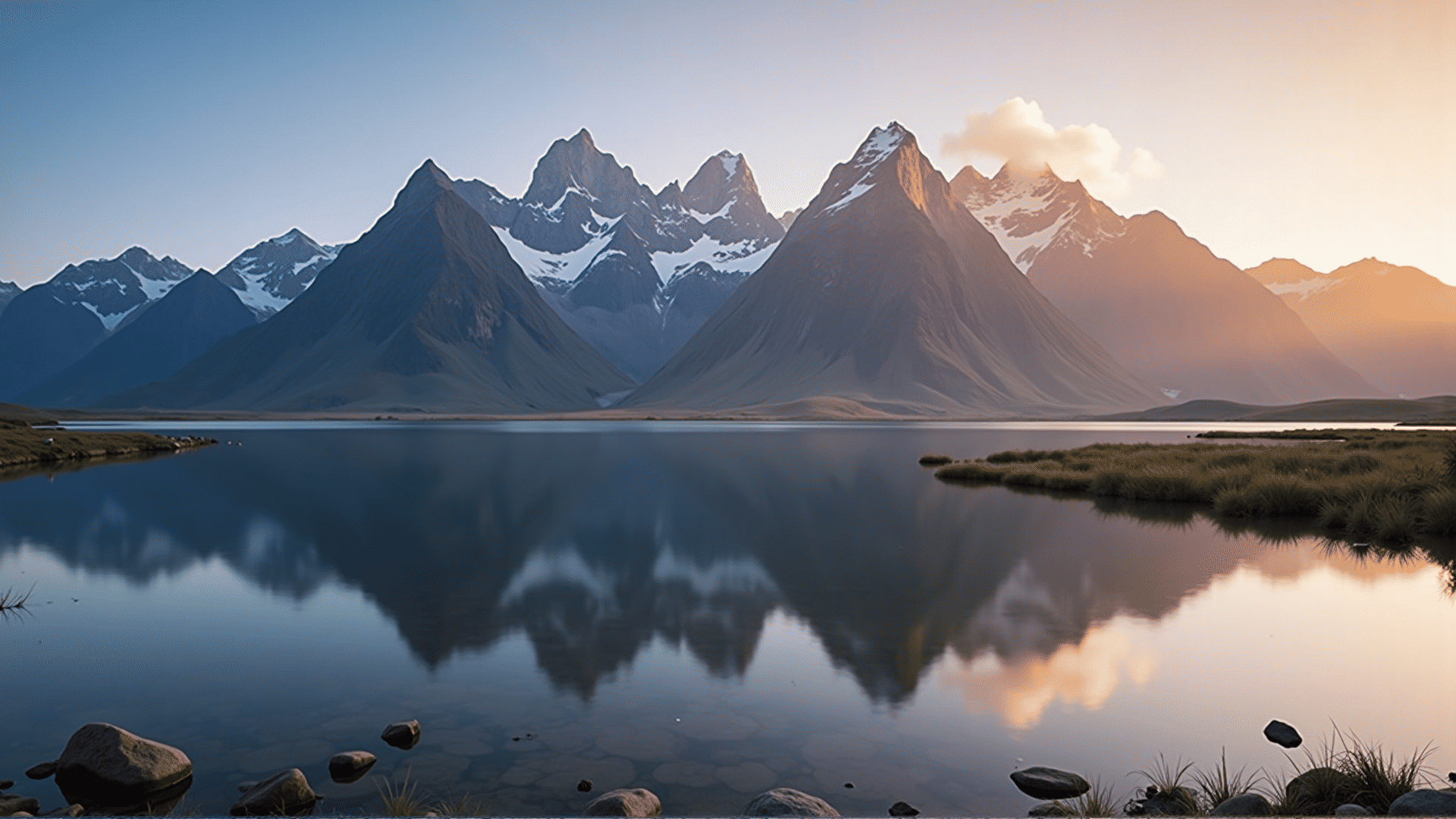
Exploring nature through photography offers an unparalleled opportunity to witness the stunning beauty of the world. With your lens, you can capture the grandeur of landscapes and the fascinating behavior of wildlife, translating these moments into lasting memories. Whether you're a seasoned enthusiast or a beginner, there are essential techniques to enhance your craft and deepen your connection with the natural world.
Understanding Your Subject
To capture the true essence of landscapes and wildlife, it is essential to understand your subject. Spend time observing the area or creature, noting behaviors, patterns, and the environment. Researching ecosystems and species can lead to more informed and compelling shots. The more you know, the better you can anticipate the perfect moment to capture.
Lighting and Timing
Natural light plays a critical role in outdoor photography. The golden hours—sunrise and sunset—provide warm, soft lighting that can transform ordinary scenes into extraordinary compositions. Midday light, though harsher, can be used effectively in specific conditions, such as in forests or under cloud cover, where it creates unique contrasts and textures.
Composition Techniques
Consider using the rule of thirds to balance your images, which involves dividing the frame into nine equal parts and placing the subject along these lines or at their intersections. Leading lines, found in paths, rivers, or branches, draw the viewer's eye into the scene. Framing your subject with natural elements such as tree branches or rock formations adds depth, guiding the viewer's focus.
Capturing Motion
Photographing wildlife often involves capturing movement. Using a fast shutter speed can freeze motion, ideal for photographing birds in flight or running animals. Alternatively, a slow shutter speed can convey a sense of motion, useful in capturing waterfalls or moving clouds, revealing a different perspective of the scene.
The Significance of Patience
Patience is a vital virtue in nature photography. Wait for the right moment, whether it's a bird taking off or the sun hitting a mountain peak just right. This patience is often rewarded with extraordinary shots.
Respecting Nature
While photographing, prioritize respect for nature. Avoid disturbing wildlife and their habitats, maintain a safe distance, and leave no trace of your presence. This ensures that natural beauty remains intact for future generations and photographers.
Experiment and Innovate
Don't shy away from experimenting with various angles, perspectives, and techniques. Breaking free from traditional methods can lead to unexpected and creative results. Use different lenses to change the story your photo tells, from detailed macro shots to expansive wide-angle landscapes.
Building a Connection with Nature
Ultimately, photographing nature deepens your connection with the environment. It encourages mindfulness and appreciation for the small details and grand landscapes alike. Through your lens, share the stories and beauty of the natural world, inspiring others to cherish and protect it.
Venturing into nature with a camera in hand offers more than just pictures; it provides a lifelong journey of discovery and conservation, where every captured image conveys the timeless beauty of our planet.