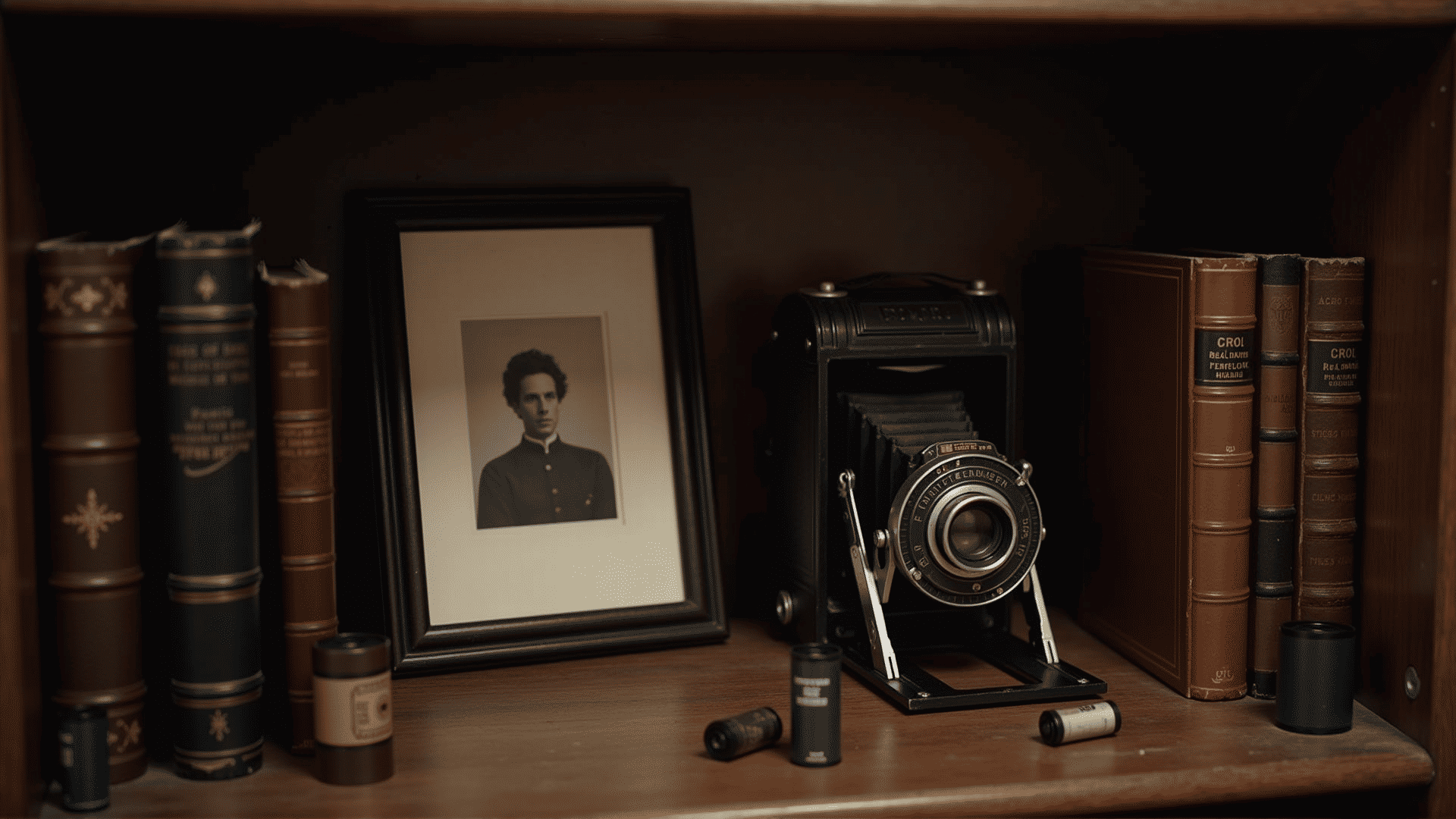
Photography has experienced a remarkable journey since its early days, transforming from a niche scientific experiment to an essential cultural, artistic, and social phenomenon. The evolution of photography reveals a fascinating progression of technology and creativity, profoundly impacting society and the arts.
The origins of photography trace back to the early 19th century. Joseph Nicéphore Niépce, a French inventor, captured what is considered the earliest known photograph in 1826, using a process called heliography. This image required an eight-hour exposure time, an indicator of the significant technical challenges faced by early photographers. Soon after, in 1839, Louis Daguerre developed the daguerreotype, a much-improved process that reduced exposure time dramatically and produced clearer images, marking the start of practical photography.
In the decades that followed, numerous advancements propelled photography forward. Notably, George Eastman introduced roll film in 1888, making photography more accessible by eliminating the need for cumbersome glass plates. This innovation paved the way for new forms of photography and enabled amateurs to participate more widely.
The 20th century witnessed a rapid advancement in photographic technology. The rise of the 35mm film camera democratized the medium further, allowing photographers to work in a range of genres from journalism to abstract art. Photography began to be seen not only as a tool for documentation but as a legitimate form of artistic expression.
Color photography became more widespread in the mid-20th century thanks to the development of Kodachrome film. This change profoundly affected both artistic and commercial imagery, as vibrant color opened new possibilities for storytelling and visual impact.
With the arrival of the digital age in the late 20th century, photography underwent yet another dramatic transformation. Digital cameras brought increased flexibility and control, allowing images to be created and disseminated with unprecedented speed and ease. The practice of photography became even more widespread as digital cameras became integrated into mobile devices, putting powerful imaging tools in the hands of virtually everyone.
The digital era has also led to the rise of digital editing software, which provides photographers with significant creative control over their images. This technological shift has expanded the potential for both artistic and documentary photography, fostering new styles and techniques.
Moreover, the online world has fundamentally changed the way photographs are shared and consumed. Social media platforms have become central to how images circulate, promoting visual storytelling as a vital form of communication in contemporary society.
Throughout its history, photography has continuously evolved, spurred by both technological advancements and cultural shifts. The medium has influenced art movements, shaped public opinion, and documented historical moments, all while becoming an integral part of daily life. Photography's journey reflects the broader narrative of our modern age—one of rapid change, interconnectedness, and boundless creative potential.