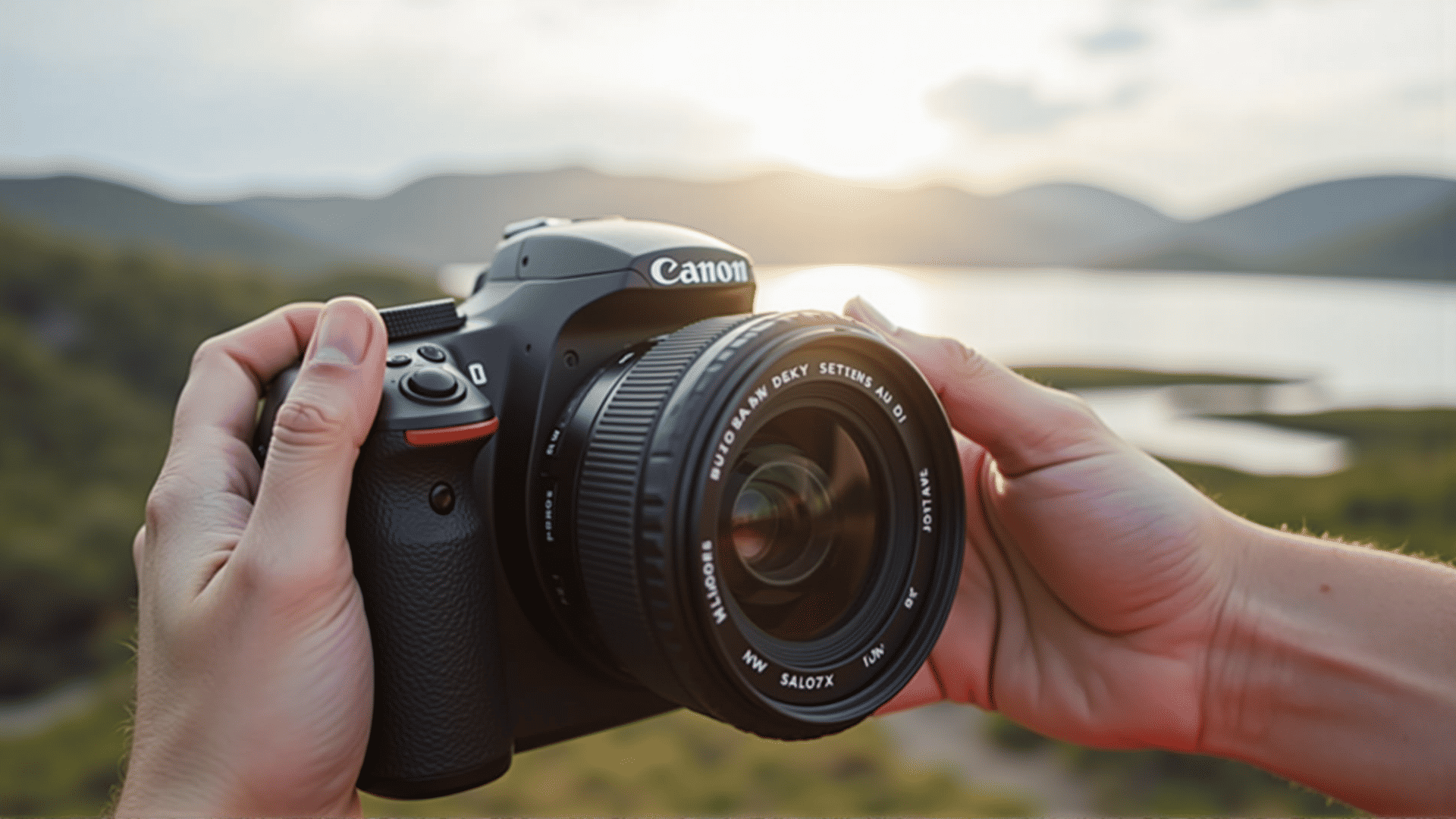
Welcome to the world of photography, where light, composition, and creativity converge to capture moments that tell a story. As a beginner, understanding the core elements of your camera can seem daunting. However, once you grasp the basics of aperture, shutter speed, and ISO, you’ll be well on your way to taking stunning photos that encapsulate your artistic vision.
Aperture: The Gateway to Light and Depth
Aperture refers to the opening in a camera lens through which light enters. It is measured in f-stops, such as f/2.8, f/4, or f/16. A lower f-stop number indicates a larger aperture, allowing more light to enter and providing a shallow depth of field. This effect can beautifully blur backgrounds and isolate subjects, making them stand out. Conversely, a higher f-stop number means a smaller aperture, resulting in a deeper depth of field where more of the scene is in focus. Adjusting the aperture allows you to control how much light reaches the camera sensor and how the background of your image will appear.
Shutter Speed: Capturing Motion
Shutter speed is the duration for which the camera's shutter remains open to allow light to hit the sensor. It is measured in seconds or fractions of a second, for example, 1/2000 or 1/30. A faster shutter speed (like 1/2000) freezes motion, ideal for capturing fast-moving subjects such as sports or wildlife. A slower shutter speed (like 1/30) can create a motion blur effect, conveying a sense of movement or time passing, which is especially effective in long exposure photography like capturing light trails or the flow of water. Mastering the balance of shutter speed enables you to depict movement dynamically or keep everything crisply in place.
ISO: Sensitivity to Light
ISO determines the camera sensor’s sensitivity to light. A lower ISO value, such as 100 or 200, indicates low sensitivity, which is perfect for bright lighting conditions. Higher values, like 1600 or 3200, increase the sensor's sensitivity, allowing you to shoot in darker environments. However, increasing ISO can introduce noise or grain to your images, so finding the right balance is crucial for maintaining image quality. By adjusting ISO settings, you can improve exposure in challenging lighting conditions without altering aperture or shutter speed significantly.
The Exposure Triangle: Balancing the Elements
Understanding the interplay between aperture, shutter speed, and ISO—the "Exposure Triangle"—is essential. Each element affects exposure and the final look of your images. For instance, to capture a sharp image indoors without a flash, you might increase the ISO to prevent reducing the shutter speed to a level where motion blur becomes an issue. Balancing these three settings according to the environment and your artistic intent is key.
Beyond the Basics: Practice and Exploration
Now that you have a foundational understanding of these settings, the next step is practice. Get familiar with your camera, experiment with different combinations, and observe how each adjustment impacts your photos. Explore various subjects and lighting conditions to hone your skills and nurture your unique photographic style.
Photography is an ongoing journey of learning and creativity. As you become more comfortable with the technical aspects, you'll find yourself increasingly able to express your vision through images. So grab your camera, venture outside, and let your creativity flow. Each click of the shutter is a step towards mastering the art of capturing the world as you see it.